Save the Bro 2
- 4.6
- Rating
- 1.00M
- Installs
- Free
- Price
 Analysis by App-foxy
Save the Bro 2 is a choice-driven adventure game from Brightika, Inc. that puts a simple question at the centre of each scene: what strange decision will help rescue Bro 2? I found the appeal in its quick, playful format. Instead of asking me to learn a large map or manage a complicated combat system, it presents a situation and lets my judgement steer the next step.
That makes it an easy game to pick up when I have a few spare minutes. The tone is deliberately odd, and the decisions are designed to make me pause before tapping. Sometimes the sensible-looking answer is not the one I expect, which gives the game its small moments of surprise. The main pleasure comes from testing my instincts rather than mastering difficult controls.
It is available free of charge, with optional in-app purchases priced from $4.99 to $7.99 per item. The game is rated for Everyone, and it runs on Android 7.0 or later. Its current version is 0.1.154, while the release date is listed as October 29, 2024. Those details make it accessible to a broad range of Android players, especially people who want a lightweight adventure rather than a demanding long-form game.
You May Also Like

 Blood Strike: 2.5 Anniversary
Blood Strike’s Loadouts Turn Every Drop Into a Tactical Gamble
A close look at Blood Strike’s custom loadouts: how fast access to signature weapons reshapes its battle royale rhythm, rewards preparation, and narrows the gap between fights.

 Pandora - Music & Podcasts
Pandora’s Music Is Easy to Start, but Harder to Recover
Pandora’s strength is its low-effort path from a seed to a station. Its weak spot is how much confidence it asks you to place in connection, setup, and quiet recovery.

 8 Ball Pool
 Is Built on Rivalries, Rematches, and Routine
A close look at the rivalries, rematches, shared routines, and unanswered safety questions that turn a quick pool match into a persistent mobile community.

 Samsung Music
’s Quiet Strength Is Playing What You Already Own
Its reach comes less from spectacle than from dependable access to a personal library. That simplicity is both the app’s strongest retention engine and its ceiling.

 AccuWeather: Weather Radar
AccuWeather Review: A Quick, Clear Forecast for Everyday Decisions
For everyday plans, the best forecast is the one you can understand quickly. AccuWeather makes rain timing, radar, and local conditions easy to act on, with a few trade-offs.

 Hill Climb Racing
Why Hill Climb Racing Still Turns Crashes Into One More Run
A tiny car, a bumpy hill and one more upgrade: Hill Climb Racing keeps resurfacing because its simple chaos makes every near-miss feel personal.
More From Our News Desk
View All News


How the rescue-and-choice format feels in practice
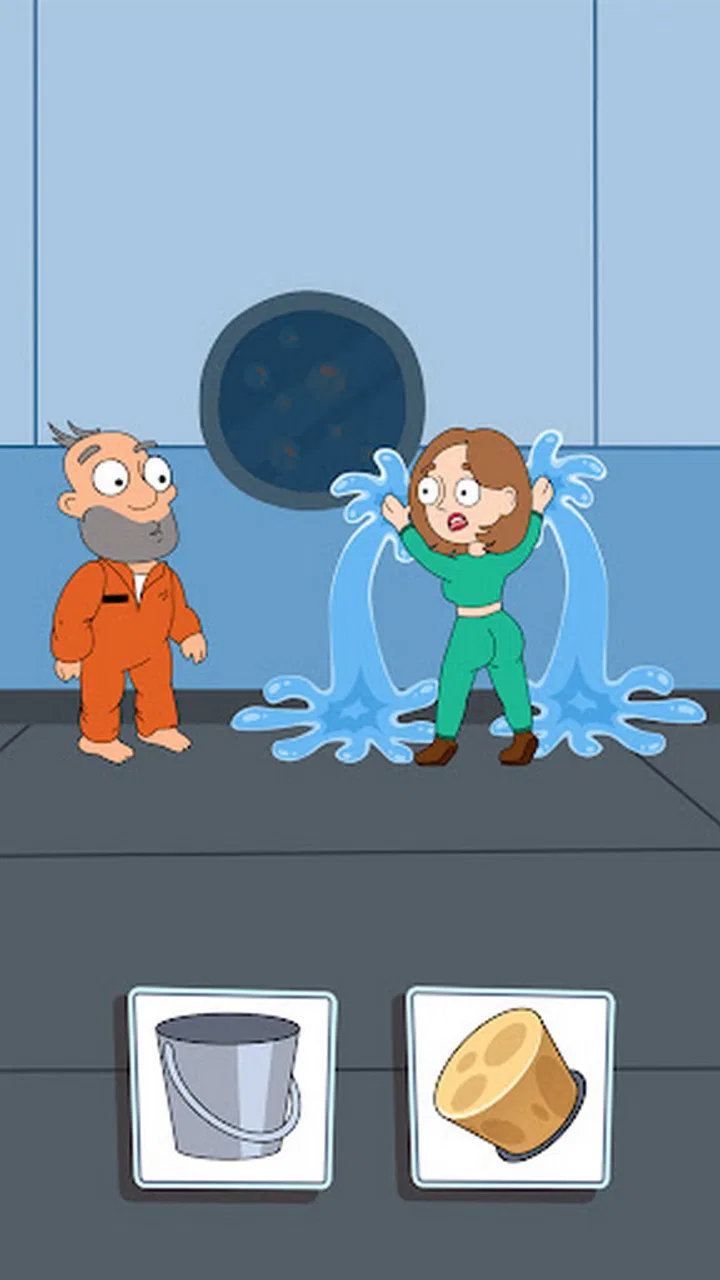
The structure is easy to understand from the first interaction. I am not searching through a traditional adventure world; I am reacting to a sequence of unusual situations connected to Bro 2’s rescue. Each choice carries the scene forward, so the game keeps its attention on the immediate decision instead of burying the player under menus or instructions.
That directness is one of its strongest qualities. A person can start playing without setting aside a full evening. It suits a bus ride, a short break between tasks, or the few minutes before going to sleep. In an everyday scenario, I could open it while waiting for coffee, make several decisions, stop without losing the feeling of having completed a small piece of the adventure, and return later when I had more time.
The unusual decisions also give the game a different rhythm from a conventional puzzle adventure. In a standard puzzle title, I might inspect objects, combine clues, and work toward a solution that follows a fixed logic. Here, the question is more personal: which choice seems safest, funniest, or most likely to help? That makes the experience less about technical problem-solving and more about reading the situation.
I would not describe every decision as deeply strategic. The attraction is the curiosity of seeing what follows, not building a detailed plan several chapters ahead. Players who enjoy quick narrative prompts should understand that distinction before installing it. This is a compact choice experience, not a replacement for a large role-playing adventure or an exploration-heavy mystery.
The game’s unusual premise helps it avoid feeling completely routine. The rescue goal gives the choices a clear purpose, while the strange situations keep the path from becoming too predictable. I liked that combination because it provides enough direction to make each tap feel relevant without demanding that I remember a large cast, a complex inventory, or a long history.
What to consider before spending
The free entry point is important here. I can try the central idea without paying first, which is useful because the choice-based format will not appeal equally to everyone. Someone who enjoys the humour and wants to continue can consider the optional purchases, while someone who finds the decision loop repetitive can leave without having committed money.
The listed purchase range is clear, but the practical value of each item depends on how the game presents progress and what a player personally wants from the experience. I would approach the shop carefully rather than buying immediately. First, I would play long enough to decide whether the rescue scenarios themselves are enjoyable. A purchase makes more sense when it supports a game I already like, not when it is used to discover whether the basic loop is worth my time.
There is also a useful distinction between paying for convenience and paying because the content is genuinely entertaining. In a short-session game, a purchase may feel tempting if I want to move through choices faster or avoid a moment of friction. That does not automatically make it good value. My advice is to treat the free portion as a trial of the writing, pacing, and decision design, then judge the optional items separately.
I also prefer to keep a simple personal rule with games of this type: never buy during a moment of frustration. If a choice produces an outcome I dislike, I would first replay or continue only if the game makes that possible through its normal flow. Spending should be a deliberate decision, not a reaction to wanting to undo a surprising result. This approach is especially sensible when the main attraction is experimentation.
The game is suitable for Everyone, which makes it easier to recommend in a family setting than an adventure built around mature themes. Still, an age label does not tell me whether every player will enjoy the humour or the pressure of making odd choices. Younger players may appreciate the simple interaction, while adults who want layered storytelling may find the presentation too light.
Progress, pressure, and the cost of a wrong choice
Choice games create a particular kind of pressure: the player wants to make the right decision, but the fun often comes from being wrong. Save the Bro 2 works best when I accept that tension instead of treating every unexpected result as a failure. The rescue framing makes each choice feel meaningful, yet the weirdness encourages experimentation.
That balance can be helpful for casual players. I do not need to be an expert gamer to participate, and the decisions are understandable without advanced controls. The game can therefore work as a low-pressure introduction to adventure games for someone who normally avoids action-heavy titles. It asks for attention and curiosity, not fast reflexes.
On the other hand, players who need transparent rules may feel less comfortable. A decision can look reasonable and still lead somewhere surprising, which is part of the design but can also feel arbitrary if I am expecting a clear cause-and-effect puzzle. I would recommend it to people who enjoy discovering consequences, not to someone who wants every solution to be logically signposted before they act.
One practical way to play is to treat each scene as a small experiment. Before tapping, I can identify what the game is asking, note which option seems safest, and then choose the one that best matches the rescue goal. If the result is unexpected, I can remember the outcome rather than immediately blaming myself. This turns the odd decisions into a learning process and makes later choices feel more informed.
Another useful habit is to avoid rushing through the wording. Because the interaction is simple, it is easy to tap quickly and then feel that the result was random. I get more from the game when I read both options carefully and consider whether the scene is encouraging a literal answer or a deliberately strange one. That small pause is more valuable here than any traditional control technique.
For a busy player, progress is most enjoyable in short bursts. I would not install this expecting a long uninterrupted session filled with complex systems. Its natural use case is intermittent play: a few decisions, a pause, then a return when I want another small problem. That makes it convenient, but it also means the experience may feel thin to people who measure value by the number of hours they can spend continuously.
Is the experience fair for players who do not spend?
From a fairness perspective, the most important confirmed point is that the game can be downloaded and played for free, while individual in-app purchases fall between $4.99 and $7.99. I would therefore begin as a non-paying player and observe whether the normal decision flow remains enjoyable without buying anything.
I do not think a free game should automatically be judged harshly for offering purchases. Optional spending can be reasonable when the basic experience remains satisfying. The key question for me is whether I feel invited to pay or pushed into paying. Since the game’s appeal rests on making choices, I would pay attention to whether the decisions themselves remain the focus rather than becoming overshadowed by repeated shop prompts.
That is also where the game differs from competitive adventure titles. There is no reason for me to compare it with a player-versus-player game where purchases could affect rankings or matches. Save the Bro 2 is a personal, narrative-style experience, so fairness is less about defeating other people and more about whether a non-paying player can enjoy the central rescue premise without feeling disadvantaged.
For that reason, I would not choose it as a substitute for a competitive game. If my priority is equalised multiplayer, visible skill expression, or a progression system built around fair contests, a different category would serve me better. This game is better suited to someone who wants a private sequence of strange decisions and is comfortable deciding for themselves whether optional spending adds enough value.
My own spending advice is straightforward. Play free first, decide whether the humour and pacing hold my attention, and only then consider an item. I would also check the purchase confirmation carefully before approving anything, particularly if a child shares the device. The Everyone rating makes the game broadly approachable, but adults should still guide spending choices rather than assuming an age rating explains the shop experience.
Where it stands beside other adventure games
Compared with a traditional point-and-click adventure, Save the Bro 2 is less demanding in exploration. I am not expecting to build a mental map, inspect every object, or solve a chain of inventory combinations. That makes it more approachable, but it also removes the satisfaction that comes from slowly uncovering a carefully constructed location.
Compared with an interactive story, it appears more focused on immediate odd decisions than on extended conversations or elaborate character development. The rescue objective gives the experience a clear thread, yet the individual choices are the reason to keep tapping. Players who prefer long dialogue scenes may want a more narrative-heavy alternative.
Compared with a reflex-based action adventure, it is much calmer. I do not need rapid reactions or precise movement to take part. That is a real advantage for people playing on older or modest Android hardware, although I would not confuse accessibility with depth. The game’s challenge is deciding, not controlling a character through difficult encounters.
This positioning makes the title easy to recommend in a narrow but useful situation: I want something playful, free to try, simple to operate, and built around surprising choices. It is a weaker match when I want a large world, a serious plot, extensive customisation, or a long-term skill curve. Knowing that before downloading prevents the most common disappointment—expecting a full adventure campaign from a compact decision game.
Questions I would ask before installing
Will it run on my device? Android users need version 7.0 or later, so the compatibility requirement is relatively approachable for people who keep an older phone. I would still leave enough storage and close unnecessary apps if the device is modest, simply because a smoother session makes quick decision games more pleasant.
Is it really free? The game is free to download, with optional purchases listed individually from $4.99 to $7.99. I would not assume that free means every possible convenience is included, but I can start without paying and use that initial experience to judge whether the game deserves any further spending.
Is it appropriate for children? Its Everyone rating makes it broadly suitable by content classification, and the simple choice format is easy to understand. I would nevertheless supervise purchases and explain that strange outcomes are part of the game rather than evidence that a child has played badly. That guidance matters more than handing over unrestricted access to the shop.
Does it require gaming expertise? No advanced knowledge is needed to understand the basic interaction. The more important skill is patience: read the situation, compare the choices, and accept that the unusual answer may be the interesting one. That makes it friendly to newcomers, while experienced players may find the lack of deeper systems limiting.
Who should skip it? I would skip it if I dislike trial-and-error decisions, want a substantial exploration map, or feel frustrated when a game does not make every consequence predictable. I would also look elsewhere if my main goal is competitive fairness, because this is a personal adventure rather than a contest against other players.
My trust verdict after weighing the trade-offs
Brightika, Inc. has built Save the Bro 2 around a clear, approachable idea: rescue Bro 2 by making unusual decisions. Its average rating is 4.2 from around 4.5 thousand ratings, and the game has passed 500 thousand installs, which suggests that the format has found an audience without changing what it is at heart: a quick adventure for people who enjoy curiosity more than complicated mechanics.
I appreciate the low barrier to entry. The free price, Everyone rating, and Android 7.0 requirement make it easy to test on a wide selection of devices. The current version, 0.1.154, also gives the game a concrete point of reference for anyone deciding whether to try it now. I would still keep expectations realistic: its strength is the immediate choice loop, not the breadth of a large premium adventure.
The purchase range is the main reason I would recommend a measured approach. I would play without spending, watch how the pacing feels, and decide whether any optional item improves my enjoyment rather than simply relieving impatience. That is a fair way to evaluate a free game when the core appeal depends on experimenting with consequences.
My recommendation is to try Save the Bro 2 if you want a light, strange, choice-led adventure for short sessions. I would recommend a different game to anyone seeking deep puzzles, extensive exploration, serious storytelling, or competitive progression. For the right player, though, the simple rescue premise and unpredictable decisions make it a pleasant little distraction—one that works best when I stop searching for the perfect answer and enjoy seeing what the weird one does.
FAQs for Save the Bro 2
01What is the main objective of Save the Bro 2?
Save the Bro 2 is a puzzle adventure game where the primary goal is to help the protagonist navigate through various challenging scenarios. Each level presents unique problems that require creative solutions, testing your decision-making skills and logic. The game offers a humorous twist, making it entertaining as you work to save the character.
02Are there any in-app purchases in Save the Bro 2?
Yes, Save the Bro 2 offers in-app purchases. These can include hints to help solve puzzles more easily or cosmetic items to enhance your gaming experience. While the game is free to download, these optional purchases can provide additional convenience and customization options for players.
03Is Save the Bro 2 suitable for all age groups?
Save the Bro 2 is generally suitable for a wide range of ages due to its simple mechanics and humorous content. However, the puzzles and themes may be more engaging for older children and adults who can appreciate the problem-solving aspect. Parents should review the content to ensure it aligns with their expectations for younger players.
04How does Save the Bro 2 compare to its predecessor?
Save the Bro 2 builds on the original by introducing new levels, improved graphics, and more complex puzzles. The sequel maintains the humor and charm of the first game while providing fresh challenges that appeal to both returning fans and new players. The enhancements aim to deliver a more engaging and immersive experience.
05What platforms is Save the Bro 2 available on?
Save the Bro 2 is available for download on both Android and iOS platforms. This accessibility ensures that players can enjoy the game on a wide range of devices, including smartphones and tablets. Check the app store on your device for compatibility and specific system requirements before downloading.
Pros
- Engaging puzzles keep players hooked.
- Intuitive controls enhance user experience.
- Humorous storyline adds entertainment value.
- Regular updates with new levels.
- Offline mode available for uninterrupted play.
Cons
- In-app purchases can be pricey.
- Ads may interrupt gameplay frequently.
- Limited hints can frustrate users.
- Graphics are not very detailed.
- Some levels feel repetitive.

Save the Bro 2
Gallery